

Month: September 2026
How Composite Bonding Transforms Smiles for Patients with Dental Anxiety Through Minimally Invasive Treatment
Understanding the Connection Between Dental Fear and Treatment Choices
Dental anxiety affects a significant portion of the population, with many individuals postponing essential treatments due to overwhelming fear. The sound of drills, the anticipation of pain, and the feeling of vulnerability in the dental chair can trigger genuine distress. However, modern cosmetic dentistry has evolved to address these concerns through gentler, less invasive approaches that prioritise patient comfort whilst delivering remarkable aesthetic results with treatments such as composite bonding Leeds.
Traditional dental procedures often involve extensive preparation, drilling, and lengthy appointments that can exacerbate anxiety. The need for anaesthesia, the removal of healthy tooth structure, and multiple visits can create insurmountable barriers for those already struggling with dental phobia. Fortunately, innovative techniques have emerged that transform smiles without triggering the same level of apprehension, making cosmetic improvements accessible to even the most nervous patients.
The Gentle Revolution in Cosmetic Dentistry
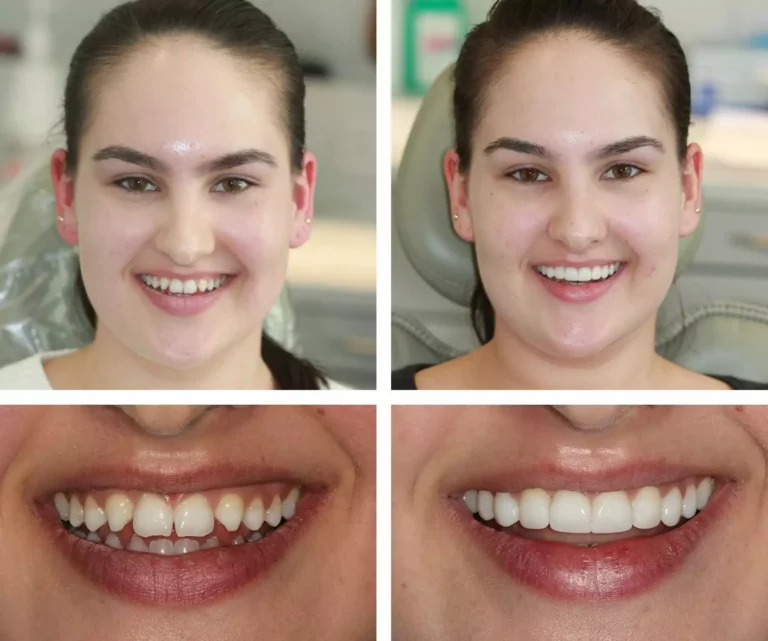
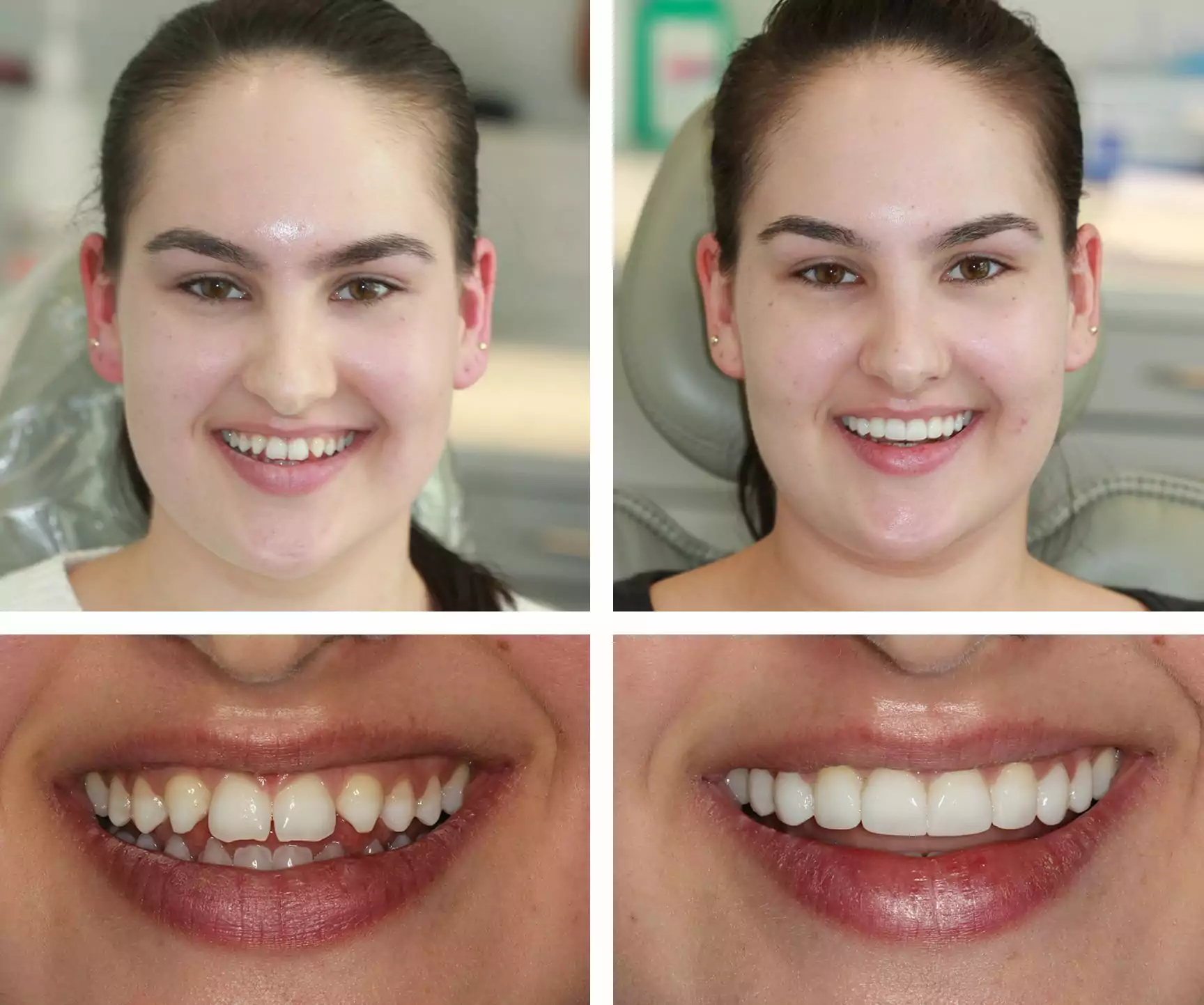
Composite bonding represents a paradigm shift in how dental professionals approach smile enhancement. Unlike veneers or crowns, which require significant tooth reduction, this technique preserves natural tooth structure whilst addressing various aesthetic concerns. The procedure involves applying a tooth-coloured resin material directly to the tooth surface, sculpting it into the desired shape, and hardening it with a special light. This straightforward process typically requires minimal to no anaesthesia, immediately reducing one of the primary sources of dental anxiety.
The minimally invasive nature of composite bonding practitioners offer makes it particularly appealing for anxious patients. The treatment can address chips, cracks, gaps, discolouration, and minor misalignments without the need for drilling or extensive tooth preparation. Most procedures can be completed in a single appointment lasting between thirty minutes to two hours, depending on the number of teeth being treated, which means less time spent in the dental chair experiencing stress.
Why Anxious Patients Respond Positively to This Approach
Preservation of Natural Tooth Structure
One of the most reassuring aspects for nervous patients is that composite bonding is essentially additive rather than subtractive. The dentist builds upon the existing tooth rather than removing enamel, which means the procedure is often reversible and causes no permanent alteration to the natural teeth. This knowledge alone can alleviate considerable anxiety, as patients understand they are not committing to irreversible changes.
Minimal Discomfort and Quick Results
The procedure itself generates little to no discomfort, with most patients reporting only mild sensitivity during the etching process. Because the treatment typically does not require anaesthetic injections, patients avoid the numbness and loss of control that many find distressing. The immediate visual transformation also provides positive reinforcement, helping to override negative associations with dental visits and building confidence for future appointments.
A Collaborative and Controlled Experience
Composite bonding allows for a more interactive experience between patient and dentist. Throughout the procedure, patients can provide feedback, take breaks when needed, and observe the gradual transformation of their smile. This sense of control and participation can significantly reduce feelings of helplessness that often accompany dental anxiety. Research on the psychological aspects of dental fear demonstrates that patient autonomy plays a crucial role in managing treatment-related stress.
The Broader Implications for Dental Health
When anxious patients successfully undergo composite bonding, the positive experience often serves as a gateway to improved overall dental care. The confidence gained from a comfortable cosmetic procedure can motivate individuals to address neglected oral health issues and maintain regular check-ups. Dental professionals recognise this ripple effect, with many incorporating evidence-based strategies for managing dental anxiety into their practice protocols.
The versatility of the treatment also means that patients can achieve significant aesthetic improvements without the financial burden or time commitment associated with more extensive procedures. Understanding the full scope of what composite bonding can achieve helps patients make informed decisions about their dental care, reducing uncertainty and the anxiety that accompanies it.
Transforming Smiles and Changing Lives
The intersection of minimally invasive dentistry and anxiety management has created opportunities for countless individuals to reclaim their smiles without enduring the stress traditionally associated with dental procedures. Composite bonding stands as a testament to how modern dentistry can prioritise both aesthetic excellence and patient wellbeing. By removing barriers related to pain, invasiveness, and lengthy treatment times, this approach demonstrates that achieving a confident smile need not be an ordeal. For those who have long avoided the dentist’s chair, this gentle yet effective treatment offers a path forward that respects their fears whilst delivering transformative results.