



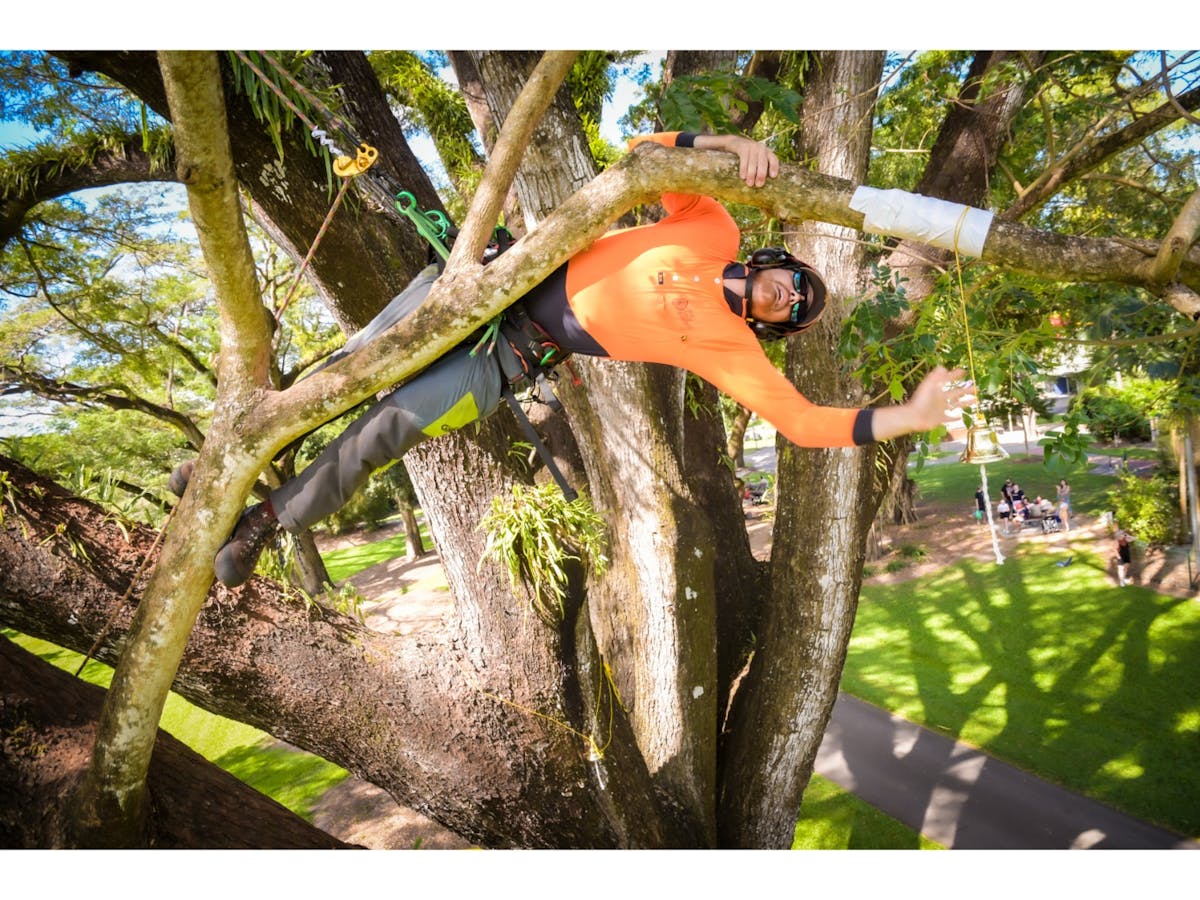
Property safety becomes easier to manage when each removal step follows a clear plan. Specialists evaluate surrounding structures closely so every decision supports controlled clearing. Property owners gain clearer understanding once tree removal kiama supports dependable safety expectations. Each element aligns naturally to create balanced protection across vulnerable areas.
Why Skilled Cutting Protects Spaces
Experienced cutters focus on measured actions that maintain stability around delicate structures. They study branch angles carefully so movement stays predictable from start to finish. This approach creates a controlled rhythm that allows nearby surfaces to remain undisturbed. By aligning each positioning choice with situational awareness, experts keep property stress to a minimum.
Precision Methods Supporting Safer Outcomes
Teams refine each step using structured preparation that keeps their workflow steady. They monitor nearby objects and adjust directions before every major cut. This avoids unwanted movement and keeps the entire sequence controlled from top to base.
Assessment Planning:
- Crew evaluates nearby structures carefully
- Branch direction reviewed before cutting
- Load distribution checked across sections
- Risk zones marked for team safety
- Ground space cleared for equipment
- Escape routes prepared in advance
Cutting Execution:
- Angles measured to guide motion
- Controlled pressure applied throughout
- Stems lowered in balanced stages
- Stabilizing ropes positioned securely
- Coordinated timing supports accuracy
- Debris cleared quickly for visibility
These steps help maintain accuracy while reducing unpredictable shifts. Clearer coordination ensures teams protect vulnerable areas effectively.
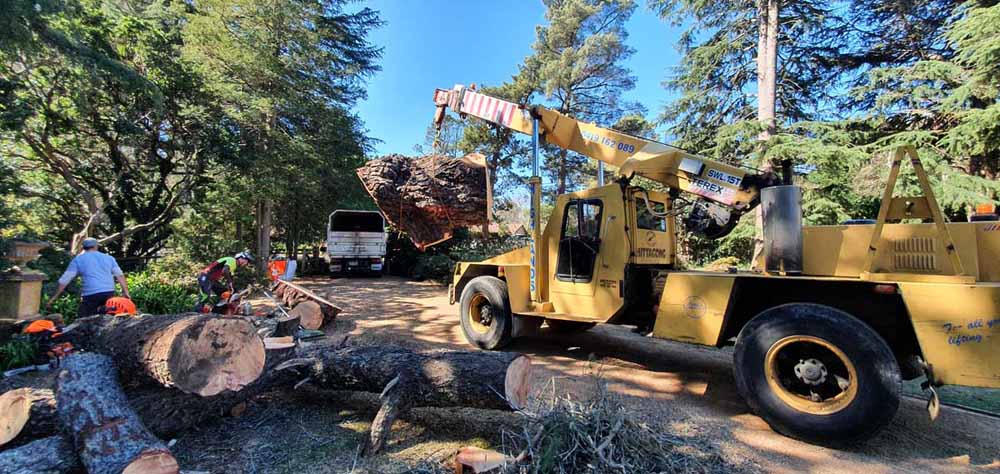
How Removal Experts Prevent Damage
Specialists rely on calculated movements that maintain balance through each phase. They guide sections downward slowly so impact points remain stable and predictable. This helps maintain structure safety while preventing sudden force around sensitive surfaces.
They further minimize risk by predicting where each shift may occur before making adjustments. That anticipation protects nearby assets while keeping the workflow smooth and controlled.
Structured Planning Enhancing Property Safety
Practical planning helps teams approach every removal with steady confidence. They evaluate access points first so equipment stays positioned safely throughout the job. This preparation helps minimize pressure around any sensitive boundaries.
Teams refine stronger assessments as tree removal kiama naturally guides structured decisions during complex clearing tasks. With clear coordination, each stage stays aligned with the property’s unique layout and surrounding constraints.
Section Mapping:
- Surrounding structures reviewed thoroughly
- Height differences noted accurately
- Lowering paths identified clearly
- Movement sequences planned early
- Obstacles measured for spacing
- Tool placement mapped carefully
Controlled Lowering:
- Ropes balance shifting weight precisely
- Signals guide synchronized lowering
- Anchors positioned for smooth motion
- Branches redirected safely downward
- Trickier angles adjusted gradually
- Timing maintained for clean execution
All these elements work together to protect property conditions during demanding clearing scenarios.
Can Homeowners Rely On This?
Homeowners often question whether specialists follow dependable procedures for complex removals. They usually receive clear reassurance once the team explains each preparatory step. That open communication helps them understand how every motion contributes to overall safety. With careful explanation, they gain confidence knowing each decision supports protection across their property.
Maintaining Stability After Careful Clearing
Once the final section is lowered, crews check remaining spaces for lingering hazards. They observe ground areas closely to confirm everything lies securely after removal. This last inspection keeps property conditions steady while ensuring surrounding structures remain unaffected. These measured actions help maintain a smooth transition once clearing operations conclude.